


Platforms like DreamProHomesLuxury are redefining what premium international property search looks like. Buyers can browse curated global listings, attend virtual tours, consult with agents over video, and execute contracts digitally, all without leaving their home country. A decade ago, purchasing property abroad, whether a retirement home in San Miguel de Allende or a villa in Portugal, meant expensive international flights, relying on a network of local contacts, and navigating language barriers with printed listings. Today, technology has removed most of those friction points. For businesses in the real estate space, this shift has created both opportunity and significant competitive pressure to build better digital experiences.
How Online Platforms Changed the Property Search

The first wave of real estate technology made listings searchable online. The second wave made them filterable, comparable, and media-rich. Today, specialized platforms are raising the bar for international property search, offering high-resolution photography, detailed neighborhood breakdowns, and curated listings that help buyers narrow their options faster.
According to the National Association of Realtors, international buyers purchased approximately $42 billion in U.S. residential real estate in a recent reporting year, with most transactions beginning online. For buyers exploring international markets, this kind of digital curation has been transformative. Markets that once felt inaccessible, where language barriers, unfamiliar legal systems, and a lack of local contacts made property ownership seem impractical, now have well-documented listings, transparent pricing data, and established digital communities of buyers who have already navigated the process.
Virtual Tours and 3D Visualization Tools

Virtual tours have moved from novelty to industry standard in just a few years. Platforms allow agents to create fully navigable 3D walkthroughs that give remote buyers an accurate spatial sense of a property. Combined with drone photography and video walkthroughs, a buyer can evaluate rooftop views, street context, and room dimensions without booking a flight.
This technology has been especially valuable in markets with strong international buyer demand. Buyers can compare multiple properties, assess neighborhoods, and get an accurate sense of layout and scale from home. What used to require multiple international trips now often requires just one, or none at all for buyers working with a trusted local agent backed by solid digital documentation.
CRM and Communication Platforms for Global Real Estate Businesses
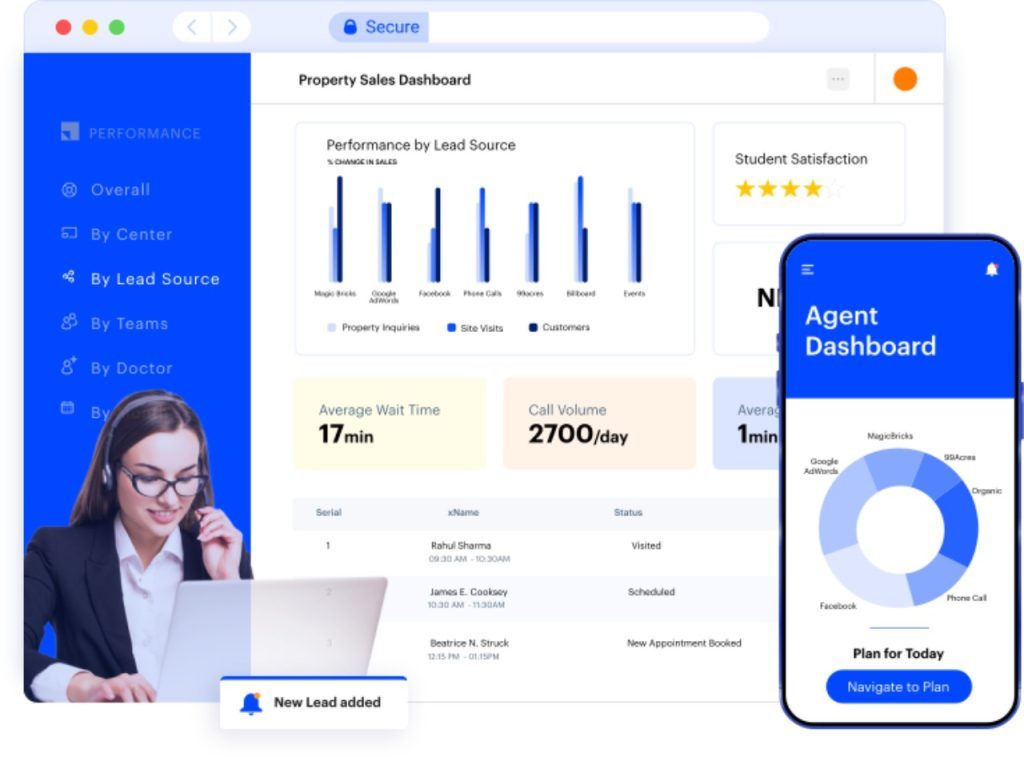
Managing leads from multiple countries requires more than a spreadsheet. Real estate businesses serving international buyers now depend on CRM systems that handle multi-timezone follow-ups, multilingual communication, and lead tracking across long sales cycles. Platforms like HubSpot and Salesforce, as well as specialized real estate CRMs, allow agents to segment leads by country, language, and buying timeline, and to automate follow-up sequences that stay relevant across months of deliberation.
Translation and localization tools have become equally critical. A buyer in Texas researching property in Mexico has different informational needs than a buyer doing the reverse. Real estate businesses that serve both audiences with localized content, currency displays, and communication styles consistently outperform those that publish a single generic website and wait for inquiries to arrive.
Fintech Tools Simplifying Cross-Border Transactions

Cross-border real estate transactions have historically been slowed by international wire delays, currency conversion complexity, and fragmented escrow arrangements. A new generation of fintech platforms has reduced this friction considerably. Services like Wise and specialized international escrow platforms allow buyers to transfer large sums at near-interbank exchange rates with full transaction visibility and bank-level security.
For real estate businesses, integrating fintech solutions into the client experience rather than leaving buyers to navigate international transfers on their own has become a meaningful differentiator. Buyers who feel guided through the financial side of an international transaction are more likely to close and more likely to refer others.
What This Means for Real Estate Websites and Web Developers

The digital infrastructure behind a successful international real estate business has grown significantly more complex. A modern real estate website needs to handle multilingual content with proper hreflang tags and geo-targeted landing pages, fast load times over international connections, high-quality media hosting that does not degrade site performance, and a mobile-first design that works as well on a smartphone in one country as on a desktop in another.
For web developers working with real estate clients, this means building on platforms that support internationalization from the start, whether a headless CMS with multi-language support, a WordPress setup with a mature i18n plugin, or a custom solution built around an international property search API. The technical requirements are specific enough that real estate web projects benefit from developers with direct experience in the vertical. Google’s internationalization guidance covers the key technical requirements for hreflang implementation and geo-targeted content in detail.
For marketing teams, it means building content strategies that address the full buyer journey: from early curiosity about owning property abroad, through comparative research, to the specific legal and logistical questions that surface close to a purchase decision.
The Road Ahead
AI-assisted property matching, blockchain-based title transfer, and automated due diligence tools are all at various stages of development and adoption. The direction is clear: friction in cross-border real estate will keep declining, and the buyers and businesses best positioned to benefit will be those who have already built the digital infrastructure to support a global client base. For web developers, digital marketers, and real estate businesses alike, the question is no longer whether to invest in these capabilities. The question is how quickly to act.