

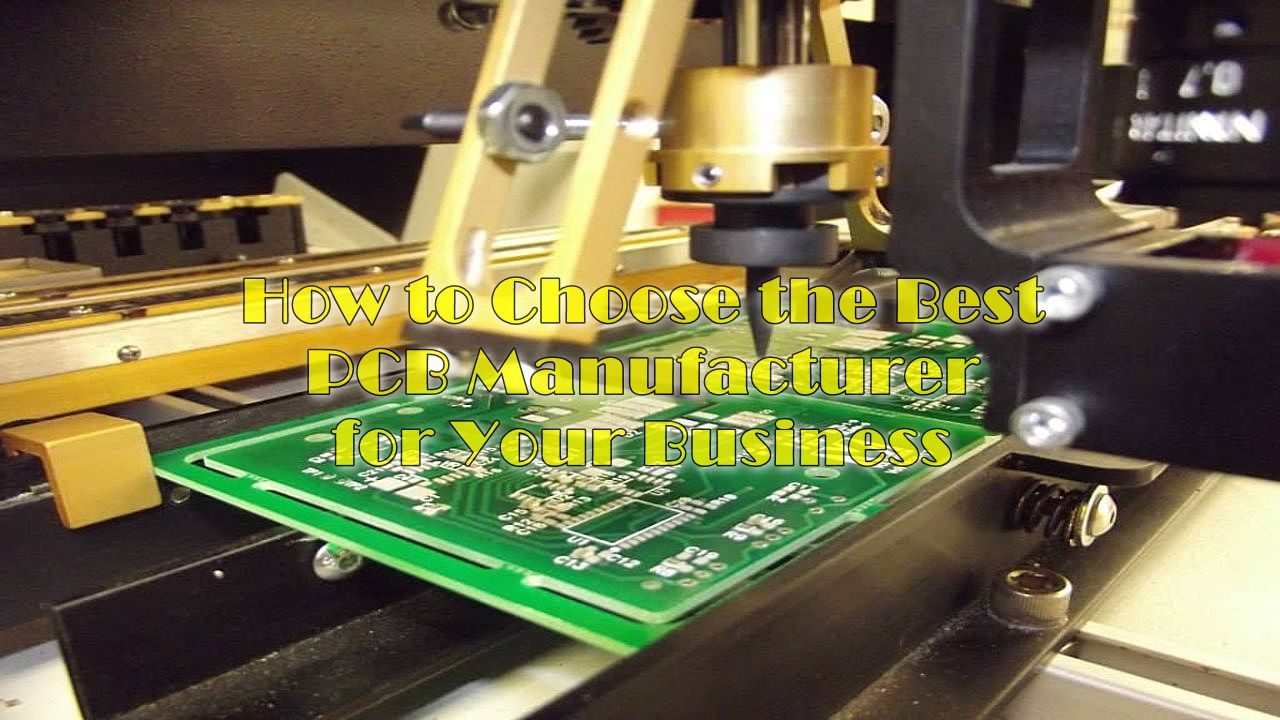
Printed circuit boards are at the heart of nearly every modern device, from industrial machines to medical tools. When your business depends on electronics, the quality of your PCBs affects everything. A strong product starts with a reliable board. Choosing the right manufacturer is not just a technical decision.. It is a strategic move that can impact your timelines, your costs, and even your reputation.
There is no shortage of manufacturers offering PCB services, but only a few deliver the combination of speed, precision, and long-term reliability that growing companies need. Some, like Beyonics manufacturing, have built their name on consistency a nd innovation.
As the future of PCB manufacturing shifts toward automation, miniaturization, and smart integration, your partner needs to evolve in response to these demands. This guide will help you spot the manufacturers worth trusting with your next build.
Define Your Needs Before You Search
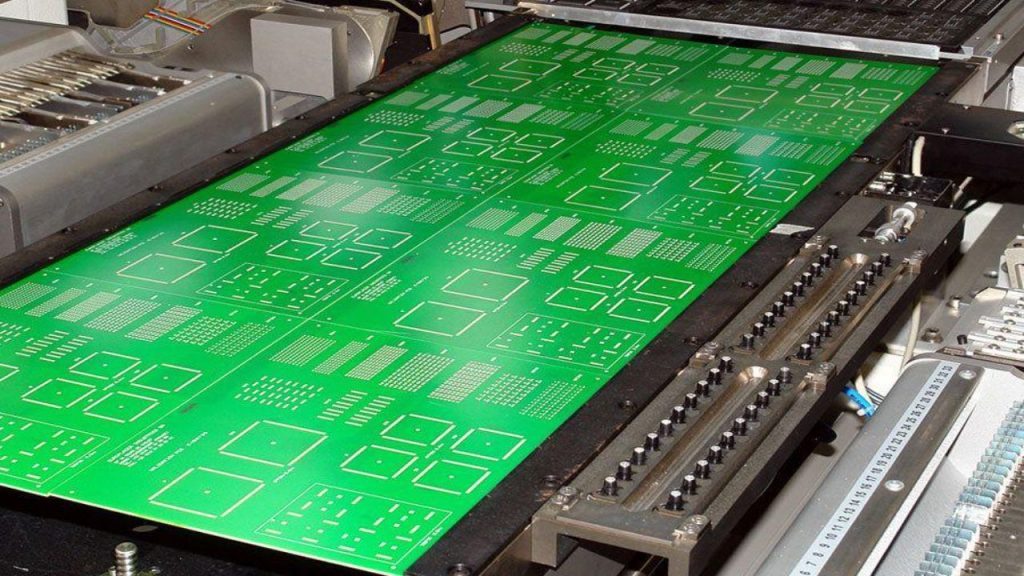
The first step in choosing a PCB manufacturer is knowing exactly what you need. Not all projects require the same level of complexity, and not every company is suited for every type of board. Are you creating prototypes or launching a full production run? Do you need multilayer boards or just basic single-layer options? What kind of turnaround time can you handle?
Some manufacturers specialize in high-volume production, while others are geared toward short runs and custom builds. Being clear about the technical requirements, expected volume, and flexibility you need will help you narrow the list from the start. A good match saves time, prevents miscommunication, and sets your project up for smoother execution.
Check Certifications and Standards
Quality in PCB manufacturing is measured in details you often cannot see with the naked eye. That is why certifications matter. ISO 9001 is the baseline you should expect. It ensures the company has a structured quality management system in place. For industries like automotive or medical, look for more specific certifications such as IATF 16949 or ISO 13485.
Also, confirm whether the manufacturer complies with international safety and environmental standards. RoHS compliance is important if your boards will be sold globally. UL listing ensures that the materials and processes meet safety standards. These certifications are not just about logos. They reflect how serious a manufacturer is about quality at every level.
Evaluate the Technology Stack
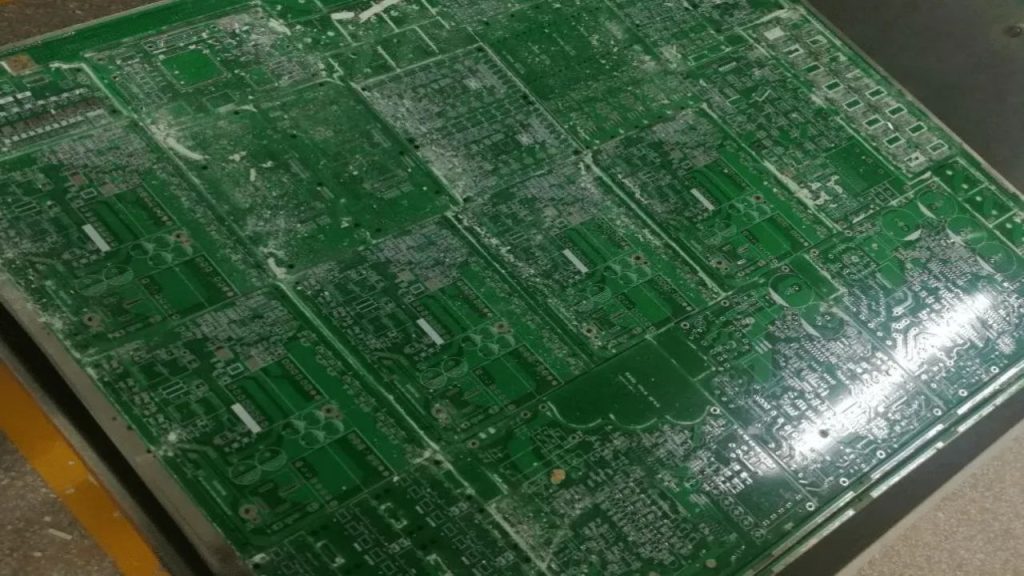
PCB manufacturing is not a one-size-fits-all process. It is important to ask what kind of equipment and processes the manufacturer uses. Are they capable of producing fine-pitch components and microvias? Do they use laser drilling, automated optical inspection, or advanced surface finishes? The technology in their shop will directly affect what your boards can achieve.
This is also where scalability matters. You might start small, but can the manufacturer handle larger orders down the road without changing quality or delivery timelines? A company with modern, well-maintained machinery and flexible production capacity will give you more room to grow.
Understand the Communication and Support Process
Even the most advanced manufacturer is only as good as its communication. How do they handle questions, revisions, or unexpected delays? Do you get a dedicated account manager or work through a generic help line? Can you reach someone quickly if something changes in your design?
Clear communication builds trust. A manufacturer that updates you regularly and involves you in key decisions will help avoid mistakes. They should offer design for manufacturability (DFM) feedback to catch issues early. Fast response time and transparency during the production process can save days—or even weeks—of costly setbacks.
Ask About Testing and Quality Control

Every PCB that leaves the factory should meet strict quality standards. Ask the manufacturer what kind of testing they perform. Bare board testing, in-circuit testing, and automated inspection systems are all part of a strong quality control workflow. Do they provide inspection reports? What happens if something goes wrong?
The goal is not just to build boards that look good but to build boards that perform under real-world stress. A manufacturer that prioritizes quality control takes pride in their output. It also reduces your risk as a business, because fewer faulty boards means fewer customer complaints and fewer returns.
Review Cost, Lead Time, and Long-Term Fit
Price matters, but it should not be the only factor. The cheapest quote often hides hidden costs in the form of delays, poor communication, or low-quality parts. Ask for detailed pricing that includes setup fees, shipping, and potential extras. Compare those numbers against the quality and service being offered.
Also, look at lead times. Some manufacturers can produce quickly but may not scale well. Others take longer but have more robust infrastructure for large orders. Choose based on your priorities—speed, volume, or long-term partnership.
Finally, think about fit. Do you see this company as a partner in your growth? A good PCB manufacturer does more than just build boards. They become part of your product development cycle. If you choose wisely, you will not just be getting parts. You will be gaining a team that helps bring your business forward.