


In the digital age, the internet serves as a crucial platform for businesses to reach their target audience. For motorcycle dealers, having a well-designed, functional, and engaging website is essential to attract and retain customers. These websites must go beyond merely listing inventory; they need to create an immersive experience that captures the passion and excitement associated with motorcycles. A motorcycle dealer’s website must reflect the dynamic nature of the industry, providing all necessary information while engaging visitors visually and interactively.
Motorcycle dealer websites face unique challenges and opportunities compared to other types of e-commerce sites. They must cater to a niche market with specific preferences and expectations. To successfully capture and convert this audience, these websites need to combine various information and make it appealing. This article explores the peculiarities of motorcycle dealer business websites, offering insights into what makes them effective and appealing.
Robust E-Commerce Functionality
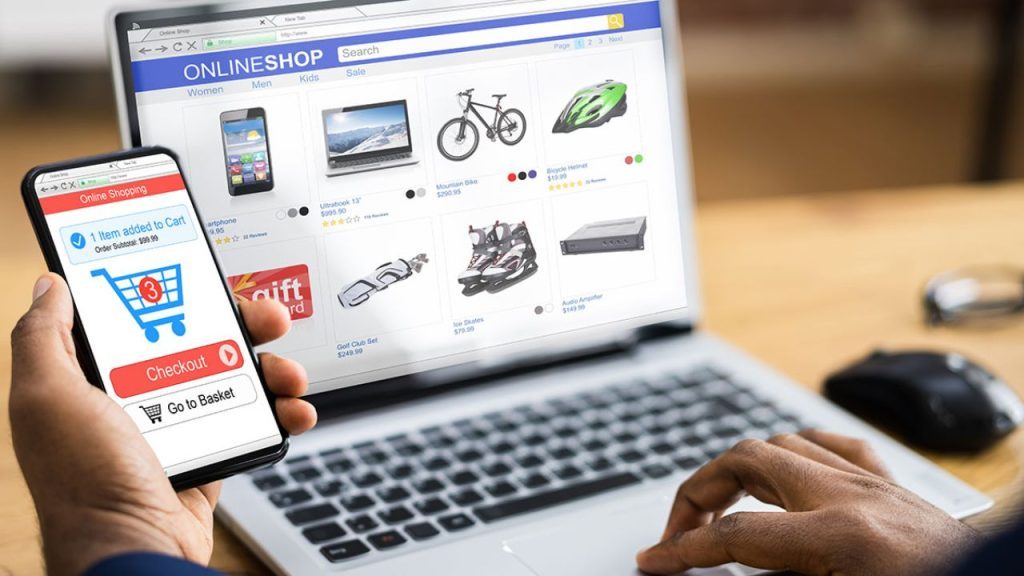
A motorcycle dealer’s website must have robust e-commerce functionality to facilitate smooth transactions. While some buyers may prefer to visit a physical dealership, many will appreciate the convenience of online purchasing options. Ensuring that the website supports secure and straightforward transactions is essential. Also, incorporating a Motorcycle Dealer Management System is a great way to enhance your dealership and customer experience. Check the article What Is Motorcycle Dealer Management System if you need more insights.
The e-commerce platform should integrate with secure payment gateways to offer various payment options, including credit cards, financing, and even cryptocurrencies. A seamless checkout process, with minimal steps and clear instructions, reduces the likelihood of cart abandonment. Additionally, providing transparent pricing, including taxes, shipping, and any additional fees, helps build trust and prevent surprises at checkout.
Offering financing options directly on the website can also be beneficial. By partnering with financial institutions, dealers can provide visitors with instant financing quotes and pre-approval processes. This convenience can make purchasing a motorcycle more accessible to a broader audience, enhancing the overall appeal of the website.
High-Quality Visuals and Media
One of the most critical aspects of a motorcycle dealer’s website is the use of high-quality visuals and media. Motorcycles are not just modes of transportation; they are often seen as symbols of freedom, adventure, and style. Therefore, the visual presentation of motorcycles on a dealer’s website must be impeccable to captivate potential buyers.
High-resolution images of motorcycles from various angles are essential. These images should highlight key features and design elements that make each model unique. Including zoom capabilities and 360-degree views can further enhance the user experience, allowing potential buyers to inspect every detail closely. Videos can also play a significant role by showcasing motorcycles in action, providing a sense of their performance and handling.
Incorporating lifestyle imagery and videos can be highly effective. Showing motorcycles in real-world scenarios, such as on scenic routes or urban streets, helps potential buyers envision themselves riding the bikes. This emotional connection can significantly influence purchasing decisions, making high-quality visuals and media indispensable elements of a successful motorcycle dealer website.
Detailed Product Information
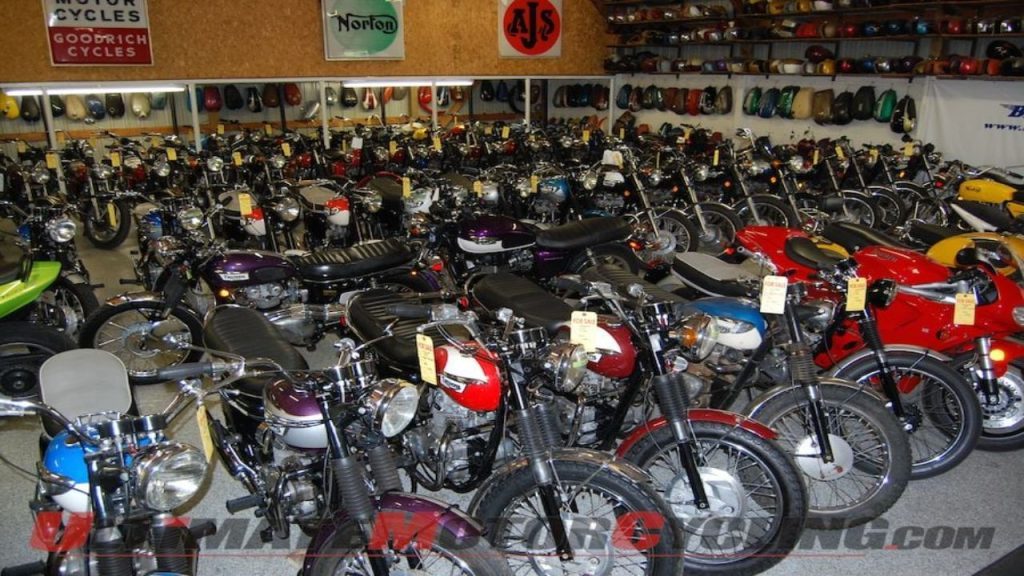
While visuals draw visitors in, detailed product information is crucial for converting interest into sales. Potential buyers need comprehensive and accurate details about each motorcycle model to make informed decisions. A motorcycle dealer’s website should provide extensive specifications, including engine type, horsepower, torque, fuel capacity, weight, dimensions, and any unique features or technologies.
Thorough descriptions of the motorcycles’ capabilities and intended use can be beneficial. For instance, highlighting whether a bike is designed for long-distance touring, off-road adventures, or urban commuting helps potential buyers find the model that best suits their needs. Comparisons between different models can also assist visitors in understanding the distinctions and making choices that align with their preferences.
Customer reviews and testimonials can enhance the credibility of the product information. Including real feedback from other buyers gives potential customers insights into the motorcycle’s performance and reliability from a user’s perspective. This combination of detailed product information and user-generated content builds trust and aids in the decision-making process.
User-Friendly Navigation
User-friendly navigation is a cornerstone of any successful e-commerce website, and motorcycle dealer sites are no exception. Visitors should be able to find the information they need quickly and effortlessly. An intuitive layout, clear menu structures, and easy-to-use search functions contribute to a positive user experience.
A well-organized website categorizes motorcycles by type, brand, and other relevant filters, allowing users to narrow down their options efficiently. Search functionality should support keywords and filters, enabling visitors to locate specific models or features without hassle. Additionally, including a comparison tool can help users directly contrast different motorcycles, aiding in their decision-making process.
The website should be responsive and mobile-friendly. Many users browse on their smartphones or tablets, and a site that adapts seamlessly to different screen sizes ensures that all visitors have a smooth experience. Fast loading times and minimalistic design also contribute to better navigation, keeping users engaged and reducing bounce rates.
Interactive Features
Interactive features can significantly enhance the appeal and functionality of a motorcycle dealer’s website. These features engage visitors and provide them with a more immersive experience, increasing the likelihood of conversion.
One effective interactive feature is a custom bike builder tool. This tool allows visitors to select various options and accessories to personalize their motorcycles. By visualizing the bike with different customizations, users can see how their choices affect the appearance and functionality, making the shopping experience more engaging and personalized.
Virtual reality (VR) or augmented reality (AR) integrations can also add value. These technologies enable potential buyers to visualize motorcycles in their own space or even simulate a ride. Such experiences can bridge the gap between online browsing and in-person dealership visits, providing a unique and compelling way to explore motorcycles.
Interactive features also include chatbots and live support options. Assistance through chatbots or live chat can answer visitor questions in real time, guiding them through their purchase journey. This immediate support can alleviate doubts and concerns, fostering a more confident and satisfying shopping experience.