

Samsung, a global leader in electronics, has built a formidable presence through innovative marketing strategies. With a focus on understanding consumer needs and adapting to market trends, Samsung’s approach has ensured its position at the forefront of the tech industry. Let’s explore the key components of Samsung’s marketing strategy and how they contribute to the company’s success.
Emphasis on Innovation and Quality
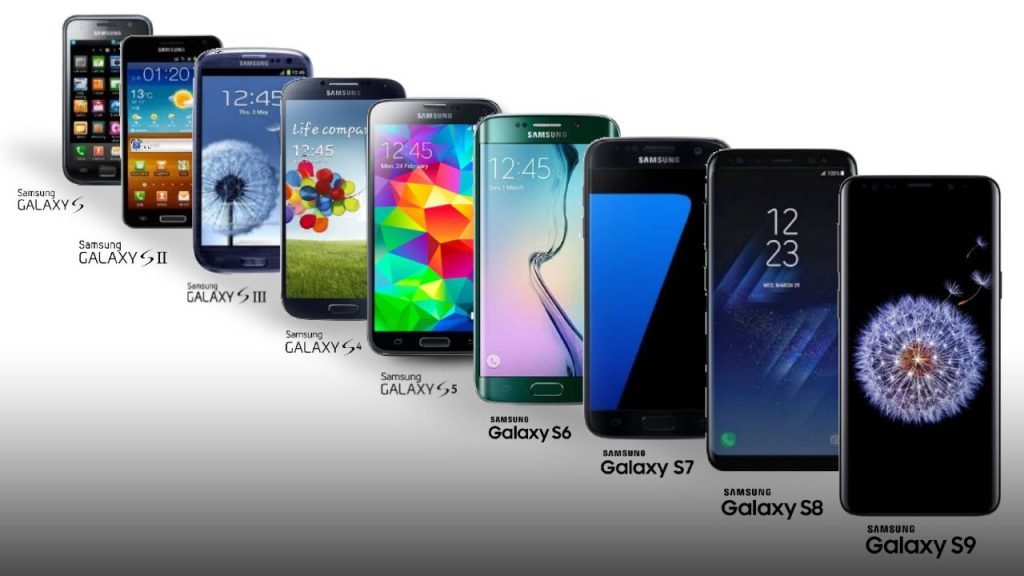
Samsung has always placed a strong emphasis on innovation and quality. The company continuously invests in research and development to bring cutting-edge technology to its customers. This commitment shines through in their diverse product lineup. For example, by using high-quality S22 Ultra parts and other advanced components for its recent phones, Samsung ensures that its products stand out in terms of durability and performance. This dedication to excellence helps Samsung build trust and loyalty among its consumers.
Diverse Product Lineup
One of Samsung’s strengths lies in its diverse product lineup. The company caters to various market segments by offering a wide range of products at different price points. This strategy allows Samsung to appeal to both budget-conscious consumers and those seeking premium devices. Whether it’s an entry-level smartphone or a high-end television, Samsung ensures there’s something for everyone, broadening its customer base.
Strong Brand Presence
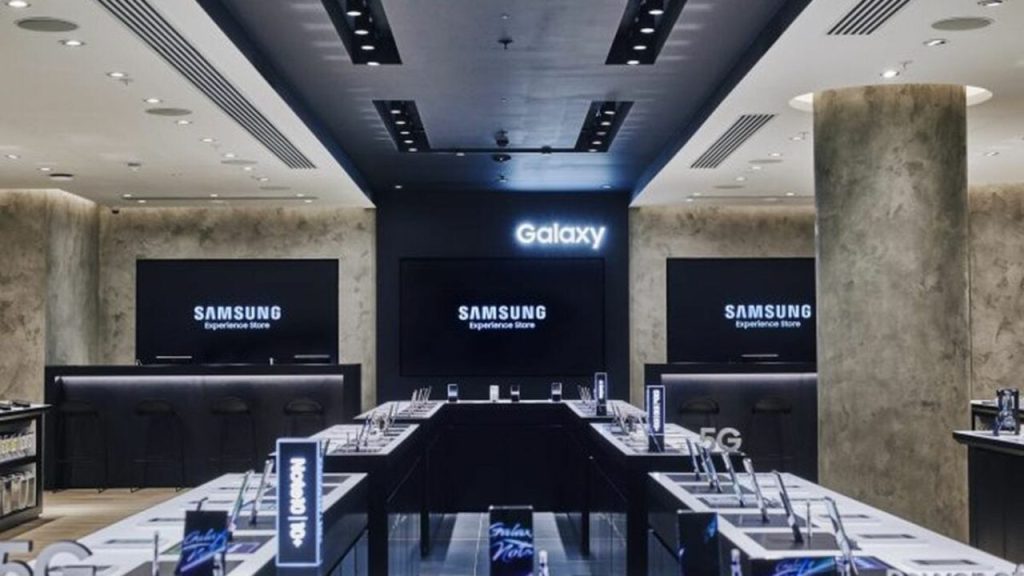
Samsung’s brand presence is another crucial aspect of its marketing strategy. The company leverages a mix of traditional and digital advertising to reach a global audience. High-profile advertising campaigns, sponsorships, and strategic partnerships play a significant role in enhancing Samsung’s visibility. For instance, Samsung’s sponsorship of major events like the Olympics and partnerships with celebrities and influencers help to keep the brand in the public eye.
Focus on Customer Experience
Samsung places a strong focus on the customer experience. The company has developed various customer service initiatives to enhance satisfaction and loyalty. Samsung’s after-sales service, user-friendly interfaces, and continuous software updates are designed to provide a seamless experience for users. Additionally, Samsung engages with customers through social media and other online platforms, creating a community where feedback is encouraged and valued.
Adaptation to Market Trends
Staying ahead of market trends is a cornerstone of Samsung’s strategy. The company frequently monitors consumer behavior and market shifts to adjust its marketing tactics accordingly. For example, Samsung’s early adoption of 5G technology and its focus on sustainable practices reflect its responsiveness to emerging trends. By staying attuned to what consumers want and need, Samsung remains relevant and competitive in the fast-moving tech industry.
Samsung’s marketing strategy is a well-rounded mix of innovation, quality, and customer-centric practices. Samsung continues to solidify its position as a leader in the tech world. The company’s ability to connect with consumers on various levels ensures its continued success and growth in an increasingly competitive market.