


Successful ad programs do not run on luck. They run on clean data, tight feedback loops, and fast decisions. Brands that grow keep a simple rule. Measure what matters. Cut what does not. Then invest in winners with confidence. Tools can help, from analytics stacks to affiliate platforms like https://scaletrack.com/solutions/affiliate-marketing-software and performance suites such as scaletrack.com. The right setup lets your team act quickly without guessing.
This guide lays out a practical system for tracking and optimization. It avoids buzzwords and focuses on steps you can use today. You will learn how to design a measurement plan, capture every qualified conversion, connect touchpoints across devices, and run tests that reveal true lift. The goal is simple. Spend smarter and grow profit, not just clicks.
Build A Measurement Plan That Everyone Follows
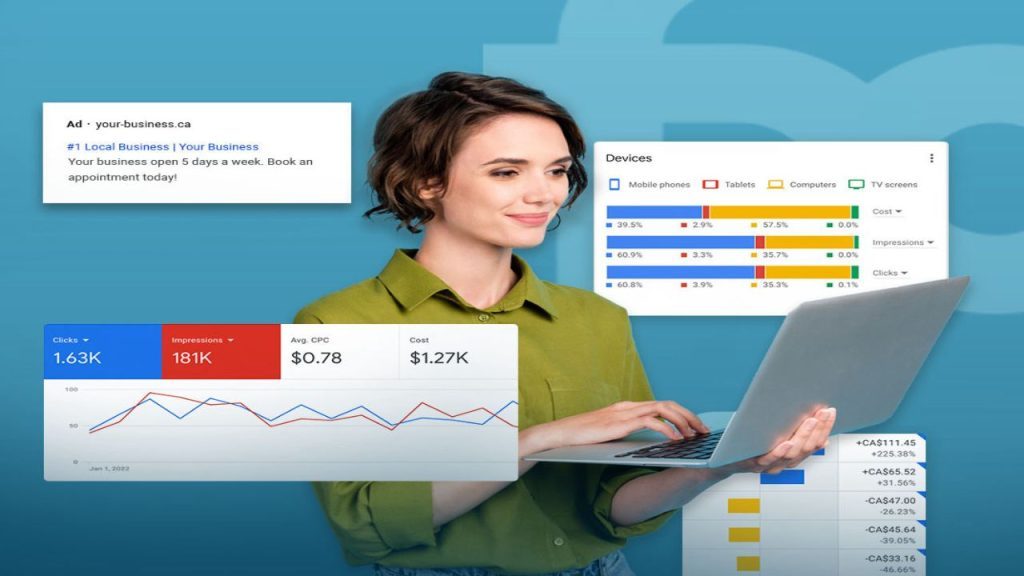
Start with a shared definition of success. Pick one north star for each campaign. That could be qualified leads, first purchases, or subscription starts. Add two or three guardrail metrics that keep quality high. Think cost per qualified lead, refund rate, or LTV to CAC ratio. Write these definitions down in a short one-page brief. Include naming conventions and KPI thresholds. Share the brief with media, creative, and analytics teams before launch.
Next, connect objectives to actions. Map each campaign to funnel stages and target behaviors. For example, a prospecting video pushes engaged visitors to a landing page. A retargeting carousel closes the sale. Document the hypothesis behind each move. “This audience and message should lift checkout starts by 15 percent.” Clear intent guides your tests and makes post-mortems easy.
Finally, set your reporting rhythm. Daily for spend and pacing. Twice a week for creative and audience shifts. Weekly for blended efficiency. Monthly for cross-channel contribution. Lock this cadence and stick to it. Consistency builds trust in the data and prevents random changes that muddy results.
Capture Clean Data From Click To Revenue
Data quality drives every optimization. Get UTM tagging right first. Use a single taxonomy for source, medium, campaign, content, and term. Keep names short, human readable, and versioned. Train your team to copy from a central template, not from memory. Small consistency wins pay off fast.
Move to server-side tagging where possible. Client-side scripts break when users block cookies or pages load slowly. Server-side events fire more reliably and cut duplicate conversions. Pair that with conversion APIs from the major ad platforms to send verified purchase or lead events. Include timestamps, order values, product IDs, and consent signals. The richer the payload, the stronger the matching and the smarter the bidding.
Do not stop at the checkout page. Bring offline wins back into your system. Import closed-won deals from your CRM. Send qualified call outcomes from your contact center. Track form-to-SQL progression. When platforms learn from true revenue, they find better buyers, not just clickers. That shift often reduces spam leads and raises ROAS without a budget change.
Tie Identity And Attribution To Real World Behavior
Identity breaks when a user moves from app to web, or from mobile to desktop. Patch this with first-party data that users share with your brand. Encourage email capture early with a clear value exchange. Use secure hashing for any identity sent to platforms. Keep privacy as a top rule and honor user choices.
Attribution is not one-size-fits-all. Last click inflates branded search and steals credit from upper-funnel work. Data-driven models help, but they still lean on platform logic. Balance short-term and long-term views with a dual approach. Use multi-touch attribution for day-to-day steering. Run media mix modeling for budget planning. MMM reads channel impact over time and smooths out noise from tracking gaps.
Layer in incrementality tests. Holdouts, PSA tests, or geo splits reveal lift that attribution models can miss. For example, pause retargeting in specific regions and watch blended sales. If sales hold, you found waste. If sales dip, you found a crucial lever. Treat tests as routine. Plan one test per channel per quarter and document results in a shared library.
Turn Creative And Audience Insights Into A Fast Feedback Loop

Creative drives outcomes as much as targeting. Build a modular system that lets you learn quickly. Produce variations on hooks, value props, benefits, and visual styles. Keep one control creative live for reference. Rotate two to three challengers each cycle and retire losers fast. Save winning elements in a pattern bank for future briefs.
Read in-platform creative breakdowns, but validate with your analytics. Compare thumbstop rates, click-through, add-to-cart, and conversion by asset. Watch for leading signals that predict sales, not vanity metrics. For example, video hold rates can flag a strong concept even before sales register at scale. Share these insights with your creative team weekly. Clear feedback inspires better work and trims guesswork.
Expand audiences with intent signals. Build lookalikes on high-value actions like repeat purchases or annual contracts. Refresh seed lists often so the algorithm hunts for new pockets of quality. Use exclusions to protect efficiency. Exclude recent buyers from prospecting. Exclude non-qualifying leads from retargeting. Precision protects budgets and keeps your bidding models honest.
Optimize Budgets With Clear Rules And Live Guardrails
Set a budget policy that removes emotion. Define promotion thresholds and kill thresholds before you spend a dollar. For example, promote any ad set that hits target CPA with at least 50 conversions and stable frequency. Kill any ad set that stays 30 percent over target after a minimum spend. Write these rules into your workflow so the team acts without debate.
Watch pacing like a hawk. Underspend hurts reach and learning. Overspend inflates frequency and wastes money. Use daily checks to fix caps, bid strategies, and throttling issues. If a platform cannot spend at target CPA, lower the floor on your bid or widen your audience. If it spends too fast with rising CPAs, tighten creative rotation or raise quality signals with better conversion events.
Protect margins with blended views. Channel-level CPA may look fine while blended CAC creeps up. Keep a live dashboard that shows platform CPA, blended CAC, LTV to CAC, payback period, and contribution margin. Alert on anomalies and seasonality shifts. When numbers slip, pause lower-funnel pressure and push fresh prospecting and creative. Sustainable growth beats short spikes that refill churn.
Report For Decisions, Not For Decoration
Reports should answer three questions. What changed. Why it changed. What you will do next. Keep the deck short and repeat the structure every week. Start with outcomes against plan. Then dig into drivers by channel, audience, and creative. Close with actions and owners for the next sprint. Clarity beats volume.
Turn dashboards into working tools. Use a single source of truth. Standardize metric names so teams compare apples to apples. Add drill-downs for cohorts, devices, and geos. Include annotations for promos, outages, or price changes. Context prevents false alarms and wasted debate.
Capture lessons in a simple log. One row per test or learning. Hypothesis, setup, results, decision, and link to assets. New hires ramp faster. Vendors align with less friction. Future campaigns skip old mistakes. Over time, this log becomes a playbook that pays compounding returns.
Make Privacy, Compliance, And Reliability Non-Negotiable
Respect for users builds durable performance. Offer clear consent choices and honor them. Keep data retention tight and access limited. Work with legal and security early when you add new pixels, APIs, or partners. Trust grows when you show care.
Reliability matters as much as strategy. Document your stack and backup plans. Monitor tagging health with automated checks on event fires, parameter quality, and duplicate blocks. Test your tracking after every site release and landing page change. Small breaks can drain budgets for weeks if you ignore them.
Plan for signal loss. Cookies fade. Walled gardens shift rules. Prepare with first-party data, server-side events, and modeled conversions. Invest in MMM so you can still plan budgets when user-level tracking gets thin. Brands that prepare now keep an edge when rules change again.
Strong ad programs do not rely on a single trick. They rely on a system that turns data into action at speed. Set a clear plan. Capture clean signals. Blend attribution with true lift tests. Feed creative and audience insights back into the next sprint. Guard your budgets with rules, not hunches. Then report in a way that drives decisions. Do this well and your ad dollars work harder every quarter.