


Cash-counting machines, also known as currency counters or bill counters, are indispensable tools for a variety of businesses that deal with cash transactions. These machines automate the process of counting and verifying bills, significantly improving efficiency and accuracy. While numerous businesses can benefit from bill counter machines, five specific types of businesses stand out as primary users of these devices.
Retail Stores
Retail establishments are one of the most common users of cash-counting machines. Whether it’s a small convenience store or a large department store, cashiers handle cash from countless customers daily. Cash-counting machines help streamline the checkout process by quickly and accurately tallying the cash received. This not only reduces the risk of errors but also prevents long lines and ensures smooth operations.
Banks and Financial Institutions
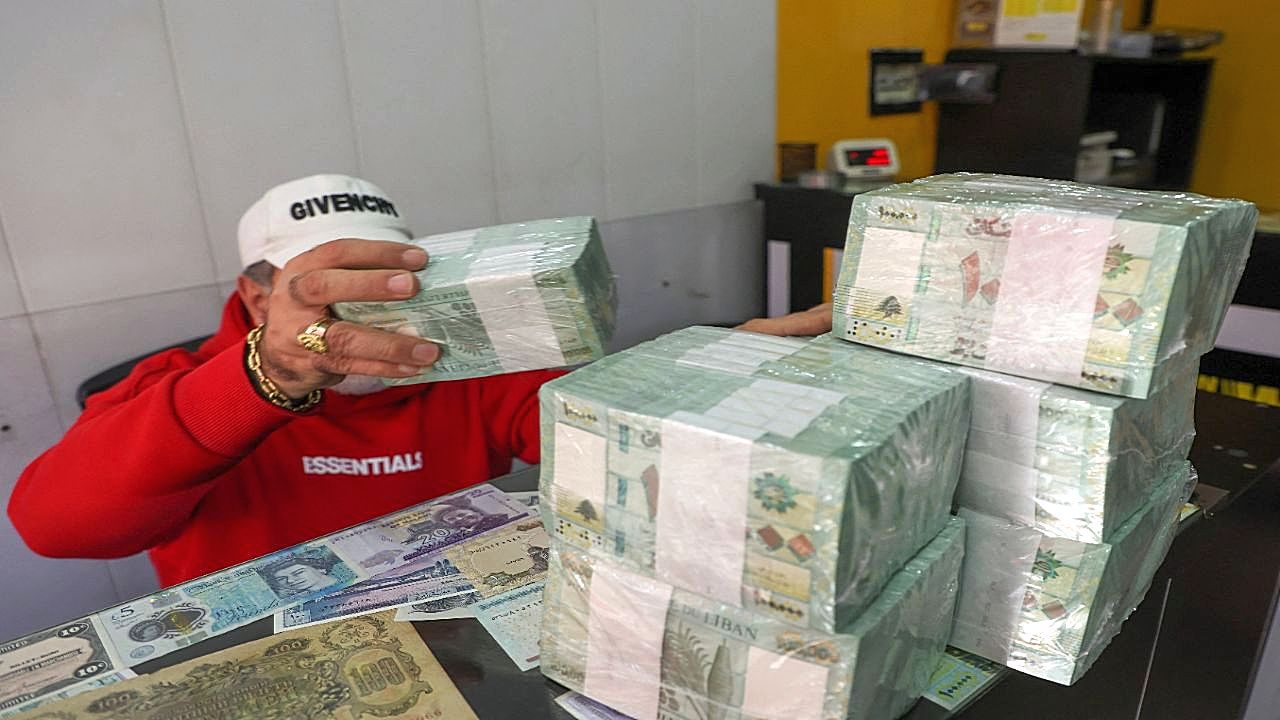
Banks and financial institutions handle vast amounts of cash every day. They use cash-counting machines to count, sort, and authenticate currency efficiently. These machines are equipped with advanced features such as counterfeit detection and serial number tracking, which are crucial for ensuring the authenticity of currency and preventing fraud. Cash-counting machines in banks are essential for maintaining the integrity of the financial system.
Casinos
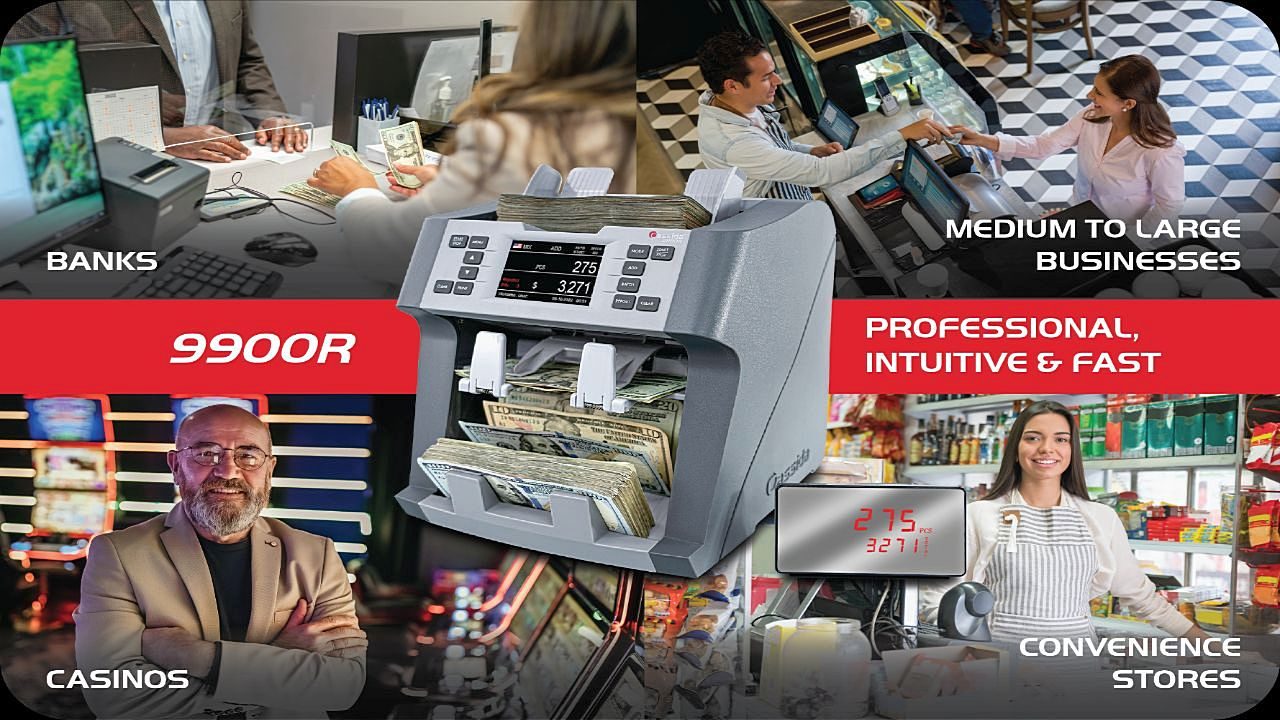
The casino industry is synonymous with cash transactions, as players exchange chips and cash in and out regularly. Cash-counting machines play a vital role in this environment, helping casinos count and verify large sums of money rapidly. Advanced models can even detect counterfeit currency, a crucial function in an industry susceptible to counterfeit attempts.
Restaurants and Hospitality
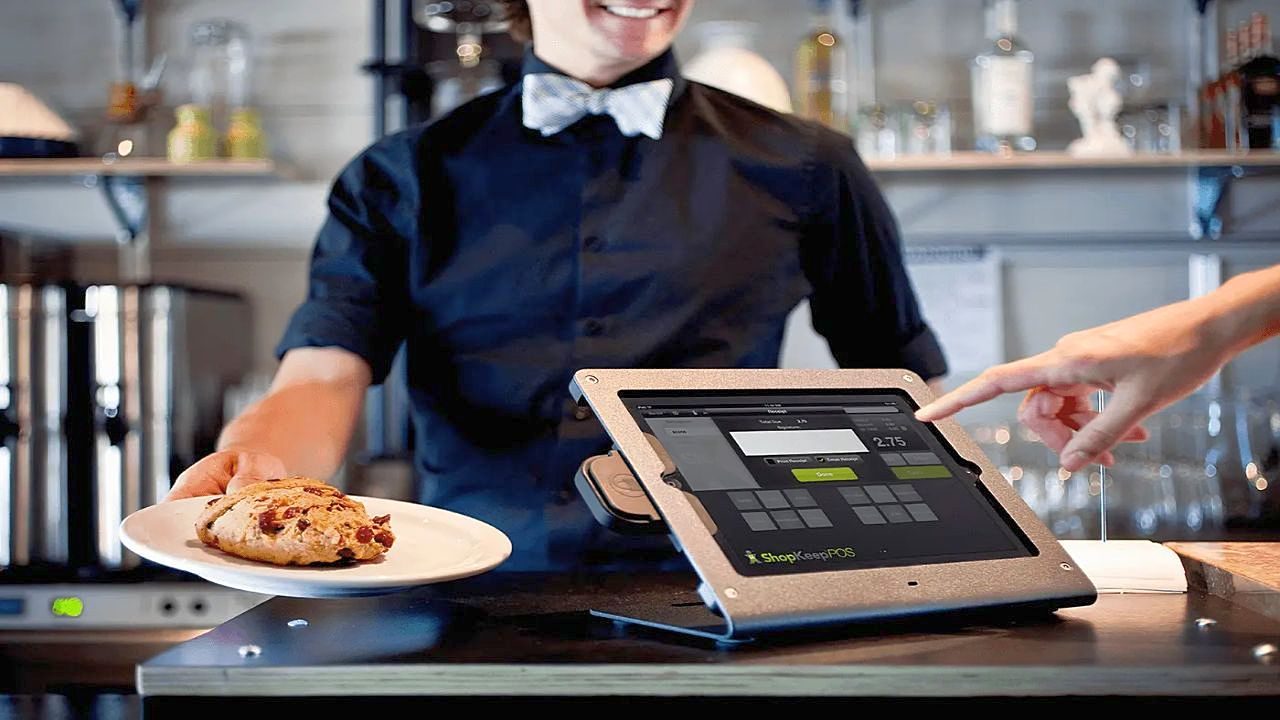
In the hospitality industry, establishments such as restaurants, bars, and hotels frequently manage a mix of cash and credit card payments. To streamline the cash-related aspects of their operations, these businesses utilize cash-counting machines. These machines ensure the precise calculation of cash totals at the conclusion of shifts or when handling cash drops. This practice minimizes the likelihood of discrepancies and enhances financial accountability, a crucial factor in the daily cash-handling routines of the hospitality sector.
Retail Banks
Retail banks, such as currency exchange offices and currency exchange kiosks at airports or tourist destinations, rely heavily on cash-counting machines. These machines expedite the process of exchanging foreign currency and ensure that customers receive the correct amount. Some models can even handle multiple currencies, making them indispensable for international travelers and businesses operating in diverse markets.
In addition to these primary users, various other businesses can benefit from cash-counting machines, including supermarkets, pawnshops, amusement parks, and gaming arcades. Essentially, any business that deals with cash transactions on a regular basis can benefit from the time-saving and accuracy-enhancing capabilities of these machines.
The advantages of using cash-counting machines go beyond just efficiency. They help reduce human error, which can result in costly discrepancies and operational inefficiencies. Cash-counting machines can also enhance security by detecting counterfeit bills and providing an audit trail for all cash transactions. Furthermore, they contribute to customer satisfaction by ensuring accurate change and minimizing the time customers spend waiting in line.
In conclusion, cash-counting machines have become indispensable tools for a wide range of businesses, improving efficiency, accuracy, and security in cash-handling processes. The five primary users mentioned here represent just a fraction of the industries that benefit from these devices. As technology continues to advance, cash-counting machines are likely to become even more sophisticated and integrated into various business operations, further enhancing their utility and impact.