


Every strong marketing funnel needs an entry point that attracts visitors, sparks curiosity, and guides people toward the next step with ease. Modern brands rely on interactive content to accomplish this with speed and accuracy. A well-planned quiz can shift someone from a casual browser to an engaged prospect in a matter of minutes. Tools such as the Quizell Funnels & Forms Creator make this process smoother by helping marketers shape ideas into structured, conversion-ready quiz experiences.
Creating a high-performing quiz starts with intention. Readers want something helpful, clear, and aligned with their goals. This sets the tone for How to Design a Perfect Quiz that fits naturally into your funnel without feeling forced or sales driven. When your content guides users with simple steps and relevant insights, you gain stronger leads and more valuable data for future campaigns.
Know Your Funnel Goals Before You Start
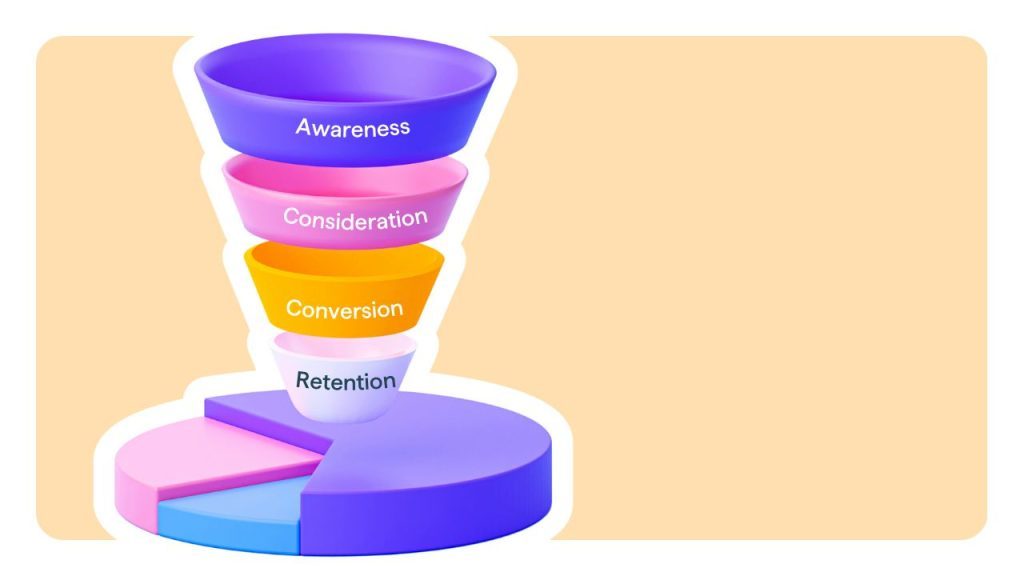
A successful quiz always begins with clarity. You need a specific purpose and a defined role for the quiz within your marketing funnel. Some teams use quizzes to pre qualify leads and pinpoint buyer readiness. Others use them to segment users by interest, challenge, pain point, or knowledge level. Each direction influences the type of questions you create, the tone of your messaging, and the value you provide at the end.
Spend time mapping out the journey from the first click to the final outcome. Think about what you want people to do once they complete the quiz. Some brands link their results to targeted product recommendations. Others send users toward a case study, a consultation, or a helpful guide. When your path is structured, the quiz becomes more than a fun interaction. It becomes a reliable tool for lead flow and sales momentum.
Your goals also influence how you measure success. This can include completion rates, conversion rates from results pages, or the number of segmented leads entering your CRM. With clear metrics from the start, you can refine your quiz later and boost its performance as you learn from real user behavior.
Build Questions That Feel Natural and Useful
The heart of a strong quiz is its questions. People enjoy quizzes when the experience feels smooth and honest. Start with simple questions to warm up the user. These early steps set the tone and make the quiz feel effortless. Gradually introduce deeper questions that reveal more about the person’s needs, preferences, or challenges. Mixing formats such as multiple choice, sliders, and visual options helps keep the momentum going.
Good quizzes also avoid confusing or overly technical language. You want the user to feel confident while moving from one question to the next. Short questions with clear answers prevent fatigue and reduce drop offs. Keep the flow natural. If a question feels forced or unrelated to the final result, remove it. Each question should earn its place by uncovering details that support better segmentation or smarter recommendations.
Brands that excel with quizzes also focus on tone. A friendly voice feels more inviting than a formal or robotic one. Many audiences respond well to light, conversational language that makes the quiz feel tailored. This level of care builds trust and encourages users to see the quiz as a valuable part of their buying journey.
Create Meaningful Results That Spark Action

Strong quiz results carry purpose. A generic summary leaves users disappointed and unsure of what to do next. Marketers need to create results that feel personalized and practical. Users should walk away with fresh clarity and a sense of direction that matches the answers they selected.
Results can include short insights about the user’s profile, along with suggestions that guide them toward a product, service, or resource. Some brands add a brief comparison of different user types to help people see what makes their profile unique. This creates a sense of relevance that boosts conversion potential.
A great results page also gives users a clear next step. This can be a link to a product page, a consultation form, or a helpful piece of content designed to build trust. When users feel supported and informed, they are more likely to engage, explore, and eventually convert.
Design With the User Experience in Mind
User experience can make or break a quiz. A clean layout keeps attention high and reduces friction. Too many design elements can distract from the questions. On the other hand, a dull or outdated look can hurt engagement. Aim for a balanced design that feels polished, modern, and simple to follow.
Mobile optimization matters as well. Many quiz takers use phones or tablets. Your quiz should load quickly and adapt to smaller screens without layout issues. Smooth transitions and clear buttons help users stay focused. Visual elements such as icons or light illustrations can enhance clarity, but they should support the flow instead of overwhelming it.
Consistency also affects the user experience. Fonts, colors, and tone should match your brand identity. When the quiz feels connected to the rest of your funnel, users trust the process. This connection strengthens brand perception and encourages people to stick around after finishing the quiz.
Connect Your Quiz to the Rest of Your Funnel
A quiz performs best when it is tied directly to follow up content. Once users complete the quiz, they enter a powerful moment of interest. Your funnel should be ready to capture that momentum with automated responses, targeted email sequences, or custom product paths. If users feel ignored after taking the quiz, the effort becomes wasted potential.
Start by integrating your quiz with your CRM or email platform. This helps your team send segmented messaging based on quiz outcomes. A user who needs beginner level guidance should receive different content than someone who is ready to make a purchase. When your follow up matches the user’s intent, you increase the chance of conversion and build trust from the start.
Some brands also link their quiz results to personalized landing pages. These pages expand the advice given in the results and make the next action much more appealing. When your funnel aligns with the quiz output, your entire marketing system works in harmony.
Analyze Your Data and Improve Over Time
A high performing quiz grows stronger through data. Track how users interact with your questions and results. Look for patterns that reveal friction points or sections that lose attention. Simple adjustments can boost completion rates and help your quiz deliver more qualified leads.
Pay attention to which user segments convert at higher rates. This insight helps you refine your messaging and tailor new offers. You may discover that one audience group needs a different landing page or a more direct call to action. Continual testing helps you build a quiz that remains effective as your market evolves.
Data can also spark creative ideas for future quizzes. Once you learn how users behave and what they value, you can build additional quizzes for different steps of your funnel. Each quiz expands your segmentation and enriches your marketing strategy.
A well crafted quiz can bring new energy to your marketing funnel. It guides visitors with clarity, gathers high quality insights, and encourages meaningful action. When your questions flow naturally and your results feel helpful, users easily move deeper into your sales process.
Marketers who combine strong strategy with thoughtful design create quizzes that deliver long term value. With each improvement, your quiz becomes a reliable engine for engagement, lead quality, and customer growth.